





compacting powder metallurgy
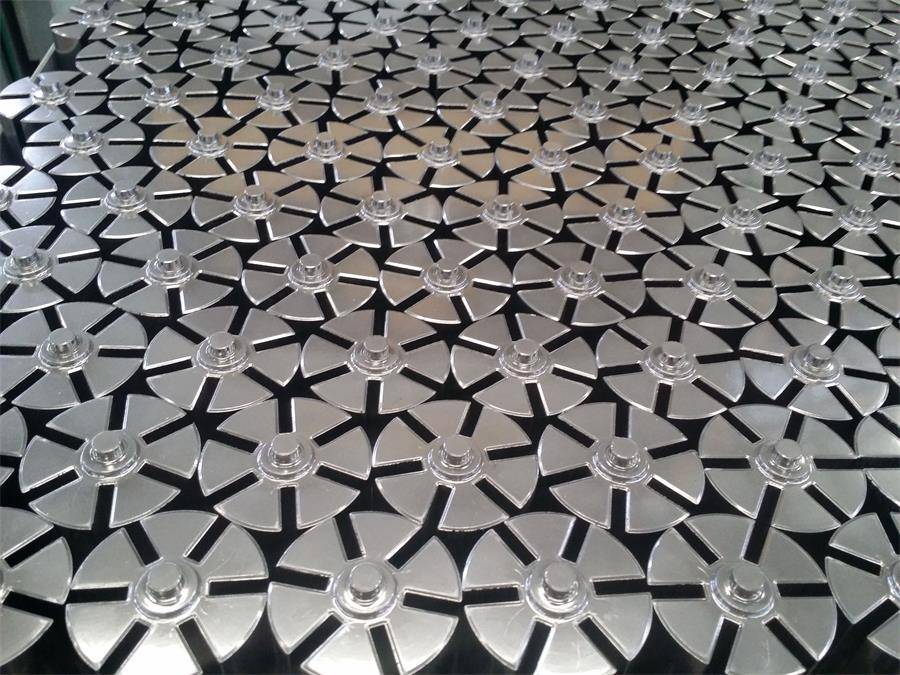
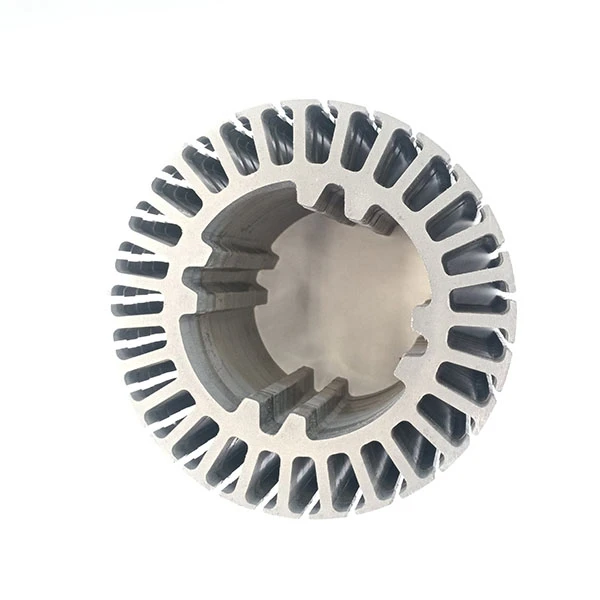
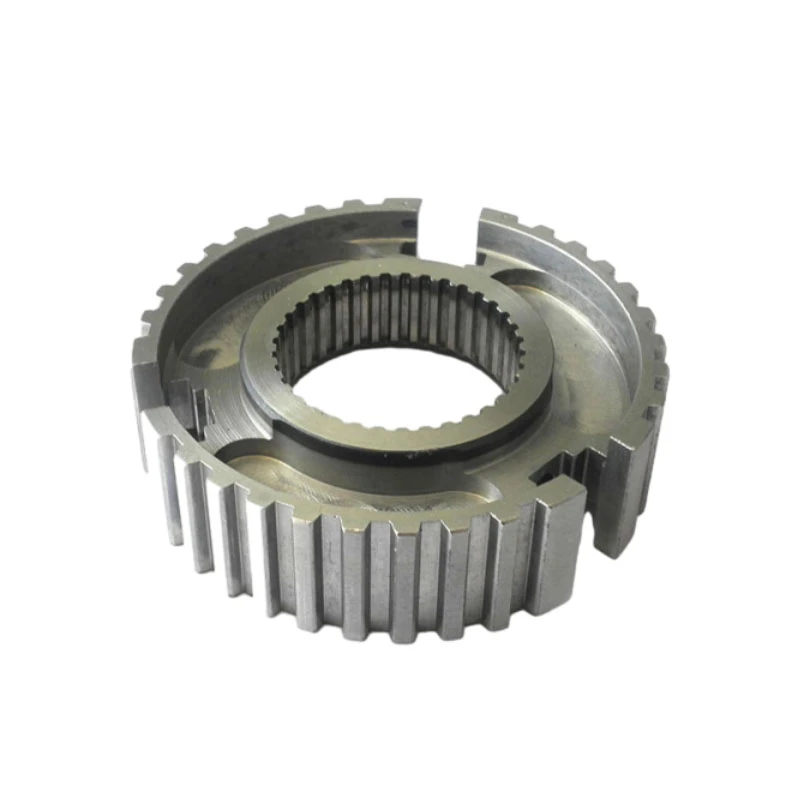
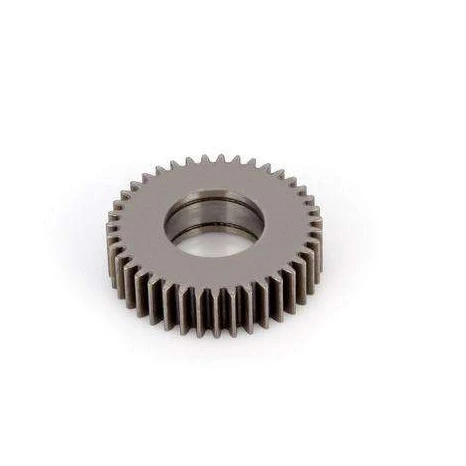
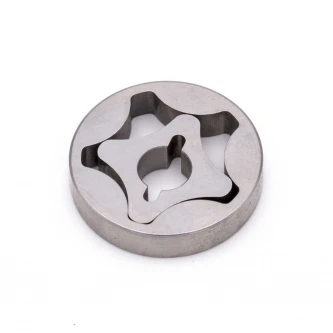
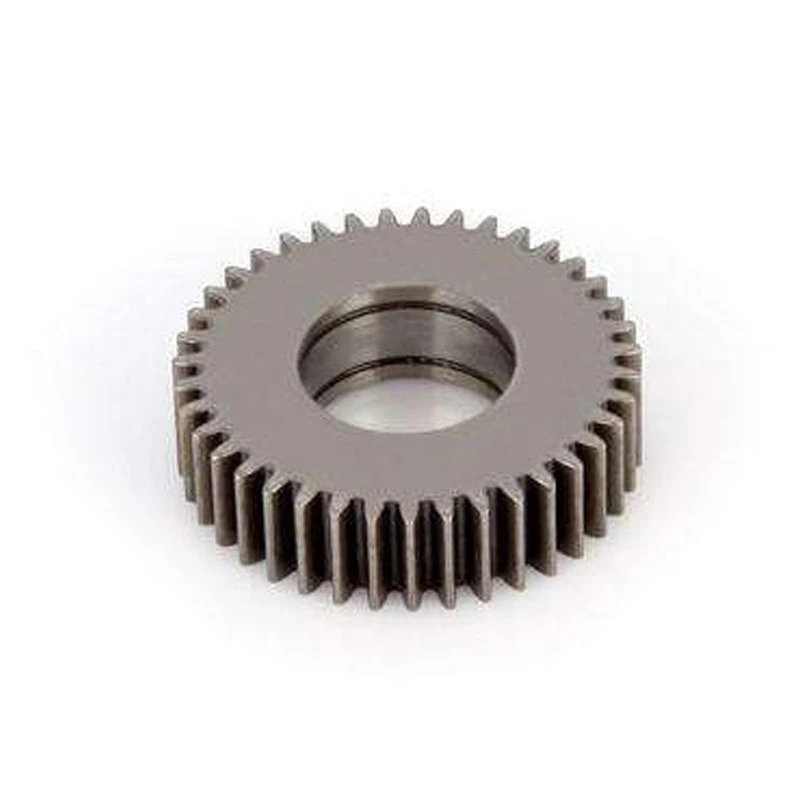
In the landscape of modern manufacturing, metal powder metallurgy has emerged as a transformative approach, blending precision, material efficiency, and versatility to produce components that power industries from automotive to aerospace. Whether you’ re exploring how manufacturing metallurgy integrates with powder-based techniques, breaking down the manufacturing process of powder metallurgy , discovering what many powder metal parts can be used for, or delving into the tailored properties of metal powder alloys , this guide highlights why metal powder metallurgy has become a go-to solution for high-performance, cost-effective production. By leveraging metal powders and controlled processes, it bridges the gap between design complexity and industrial scalability, redefining what’s possible in component manufacturing. Metal Powder Metallurgy: The Intersection of Material Science and Manufacturing Metal powder metallurgy (often abbreviated as PM) is a specialized branch of manufacturing that transforms metal powders—fine particles of iron, copper, aluminum, or their alloys—into solid, functional parts through a series of controlled steps. Unlike traditional manufacturing methods (such as casting or machining, which shape solid metal), it builds parts from the “ground up,” using powder as the raw material. This unique approach gives metal powder metallurgy distinct advantages: near-net-shape production (minimizing waste by creating parts close to their final size), the ability to blend multiple metals into custom alloys, and the capacity to produce complex geometries (like internal channels or porous structures) that are impossible or costly to achieve with other techniques. At its core, metal powder metallurgy is rooted in manufacturing metallurgy —the science of manipulating metal properties through processing. Every step, from powder selection to sintering, is designed to optimize the part’s strength, durability, and performance: for example, choosing a spherical metal powder improves flow during compaction, while adjusting sintering temperature controls the part’s density. This synergy between material science and manufacturing makes metal powder metallurgy indispensable for industries seeking to balance quality and efficiency. Today, it’s used to produce over 70% of automotive transmission components, 90% of small electric motor cores, and a growing number of medical implants—testament to its widespread impact. Manufacturing Metallurgy: How It Shapes Powder Metallurgy Excellence Manufacturing metallurgy is the backbone of successful metal powder metallurgy , as it guides the selection of materials, processes, and quality controls to ensure parts meet strict performance standards. It focuses on understanding how metal microstructures (the arrangement of atoms and grains) change during processing—and how those changes affect properties like strength, ductility, and corrosion resistance. In powder metallurgy, manufacturing metallurgy plays a critical role at every stage: First, it informs powder production: manufacturing metallurgy dictates whether a powder is made via atomization (spraying molten metal into a cool gas to form spherical particles) or mechanical grinding (crushing solid metal into irregular particles). Atomized powders, for instance, are preferred for 3D printing applications because their spherical shape ensures smooth flow, while ground powders are cost-effective for basic structural parts. Second, manufacturing metallurgy optimizes compaction: it helps determine the pressure (typically 400–1,000 MPa) needed to press powder into a “green compact” (a fragile preform) without causing cracks or uneven density. For example, manufacturing metallurgy principles reveal that softer metals like aluminum require lower compaction pressure than harder metals like stainless steel, preventing the green compact from fracturing. Finally, it controls sintering: manufacturing metallurgy specifies the temperature (70–90% of the metal’s melting point) and atmosphere (e.g., hydrogen for reducing oxides) to bond powder particles into a dense, strong part. Sintering at too low a temperature leaves pores (weakening the part), while too high a temperature causes excessive grain growth (reducing ductility)— manufacturing metallurgy ensures the sweet spot is hit every time. Without this scientific foundation, metal powder metallurgy would struggle to produce consistent, high-quality parts. Manufacturing Process of Powder Metallurgy: A Step-by-Step Breakdown The manufacturing process of powder metallurgy is a well-orchestrated sequence of steps, each critical to producing parts that meet design and performance requirements. It begins with powder preparation, where metal powder alloys (or pure metal powders) are blended with additives to enhance flow and lubrication. These additives—often waxes or polymers—prevent powder from sticking to compaction dies and ensure uniform filling of complex cavities. For example, a blend of iron powder, 0.5% carbon, and 0.2% lubricant is common for automotive gear parts. Next is compaction: the blended powder is loaded into a precision die and pressed under high pressure to form a green compact. The die’s shape matches the part’s final geometry (with a small allowance for shrinkage during sintering), and compaction pressure is tailored to the powder’s properties—softer metal powder alloys like brass require 400–600 MPa, while harder alloys like stainless steel need 800–1,000 MPa. The green compact has the part’s shape but is fragile (like a pressed ceramic) and requires sintering to gain strength. Sintering, the third step, involves heating the green compact in a controlled atmosphere furnace (typically nitrogen or hydrogen) to temperatures just below the metal’s melting point. This heat causes powder particles to bond via diffusion—atoms migrate across particle boundaries, filling gaps and forming a solid structure. Sintering time (1–4 hours) and temperature (e.g., 1,120°C for iron, 1,300°C for stainless steel) are carefully controlled to achieve the desired density (usually 85–98% of the metal’s theoretical density). For porous parts (like filters), sintering is stopped earlier to retain pores. Post-sintering processes may follow, depending on the part’s needs: sizing (pressing the sintered part to final dimensions), machining (for tight tolerances), heat treatment (to harden or soften the part), or coating (for corrosion resistance). What makes the manufacturing process of powder metallurgy so efficient is its near-net-shape capability—over 90% of the powder becomes part of the final product, compared to 50–70% for machining. This reduces waste, cuts costs, and makes it ideal for high-volume production. Metal Powder Alloys: Tailored Properties for Specific Applications Metal powder alloys are the building blocks of powder metallurgy, as they allow manufacturers to customize properties like strength, corrosion resistance, and heat tolerance to match specific application needs. Unlike pure metal powders (which have limited versatility), metal powder alloys combine two or more metals to create materials with enhanced performance—for example, adding copper to iron improves ductility, while adding chromium to steel boosts corrosion resistance. Common metal powder alloys include: Iron-copper-carbon alloys : Used for automotive gears and bearings, offering a balance of strength (400–600 MPa tensile strength) and cost-effectiveness. Stainless steel alloys (316L, 434L) : Ideal for medical implants and food-processing equipment, as their chromium and nickel content provides excellent corrosion resistance. Titanium alloys (Ti-6Al-4V) : Lightweight and biocompatible, used in aerospace components and hip implants—their high strength-to-weight ratio (60% lighter than steel, with similar strength) is unmatched. Brass and bronze alloys : Used for electrical contacts and decorative parts, leveraging their good conductivity and aesthetic appeal. The production of metal powder alloys typically involves atomization: molten alloy is sprayed through a nozzle into a cool gas (argon or nitrogen), forming fine, spherical particles with a uniform alloy composition. This ensures every particle has the same properties, so the final part is consistent across its entire structure. For example, a Ti-6Al-4V metal powder alloy used in 3D printing has a particle size of 15–45 microns, ensuring smooth flow and precise layer deposition. What sets metal powder alloys apart is their flexibility: manufacturers can adjust the alloy composition to meet unique requirements—for instance, adding molybdenum to steel creates a high-heat alloy for turbine blades, while adding boron improves hardenability for cutting tools. This customization makes metal powder alloys indispensable for industries with specialized needs. Many Powder Metal Parts Can Be: Versatility Across Industries One of the greatest strengths of powder metallurgy is its versatility— many powder metal parts can be designed to fit nearly any industry, from everyday consumer goods to cutting-edge aerospace technology. This adaptability stems from the process’s ability to handle diverse metal powder alloys , complex geometries, and varying density requirements, making it a solution for applications ranging from simple to highly specialized. In the automotive industry, many powder metal parts can be critical drivetrain components: transmission gears (with precise tooth profiles that require no post-machining), engine bearings (self-lubricating via porous structures that hold oil), and brake pads (blended with friction materials for consistent stopping power). For example, a typical modern car contains 30–50 powder metal parts, reducing weight by 10–15% compared to cast or machined alternatives. In electronics, many powder metal parts can be thermal and electrical components: heat sinks (porous copper or aluminum powders that enhance heat dissipation), electrical contacts (silver-copper alloys for low resistance), and inductor cores (iron-silicon alloys for magnetic properties). These parts are miniaturized (some as small as 1mm) and require tight tolerances—powder metallurgy delivers both. In medical devices, many powder metal parts can be biocompatible implants: titanium hip cups (porous to promote bone growth), stainless steel surgical screws (corrosion-resistant to avoid body rejection), and dental abutments (precision-machined after sintering for a perfect fit). The ability to create porous structures is particularly valuable here—no other manufacturing method can produce implants that integrate so seamlessly with human tissue. Even in industrial machinery, many powder metal parts can be heavy-duty components: gearbox shafts (high-strength steel alloys), pump impellers (corrosion-resistant stainless steel), and valve seats (wear-resistant iron-copper alloys). These parts withstand high loads and harsh environments, relying on powder metallurgy’s consistent quality and durability. The key takeaway is that many powder metal parts can be whatever the industry needs—whether it’s a tiny electronic component, a life-saving medical implant, or a rugged industrial part. This versatility has made powder metallurgy a $15 billion global industry, with growth projected to continue as new applications emerge. Metal Powder Metallurgy FAQs 1. What makes metal powder metallurgy different from traditional manufacturing methods like casting? Metal powder metallurgy uses metal powders to build parts layer by layer or via compaction/sintering, enabling near-net-shape production (90%+ material efficiency) and complex geometries (internal channels, porous structures) that casting can’t achieve. Casting melts metal and pours it into molds, which often requires extensive machining (high waste) and struggles with intricate designs. 2. How do manufacturing metallurgy principles influence the quality of powder metal parts? Manufacturing metallurgy guides powder selection (e.g., atomized vs. ground), compaction pressure (tailored to metal hardness), and sintering parameters (temperature/atmosphere to control density). Without these principles, parts may have uneven density, weak bonds, or inconsistent properties— manufacturing metallurgy ensures reliability. 3. What are the most common metal powder alloys used in powder metallurgy? Common metal powder alloys include iron-copper-carbon (automotive parts), stainless steel (corrosion-resistant applications), titanium alloys (aerospace/medical), and brass/bronze (electrical contacts). Each is tailored to specific properties: strength, corrosion resistance, or conductivity. 4. Can the manufacturing process of powder metallurgy produce parts with high density? Yes—via post-sintering processes like hot isostatic pressing (HIP) or forging, the manufacturing process of powder metallurgy can achieve 99.9% density (equal to solid metal). For example, powder-forged steel parts have density comparable to traditional forged steel, with similar strength and fatigue resistance. 5. What industries benefit most from the fact that many powder metal parts can be customized? Aerospace (lightweight, high-heat parts), medical (biocompatible implants), automotive (weight-saving drivetrain components), and electronics (miniaturized thermal/electrical parts) benefit most. Customization allows these industries to meet unique performance, size, or material requirements that other methods can’t fulfill. From the science of manufacturing metallurgy to the versatility of many powder metal parts can be , metal powder metallurgy continues to revolutionize how components are made. By leveraging metal powder alloys and a precise manufacturing process of powder metallurgy , it delivers parts that are stronger, more efficient, and more cost-effective than ever before—solidifying its role as a cornerstone of modern manufacturing.


Polyaspartic Acid (PASP) Enhances Fertilizer Efficiency | Sustainable Agricultural Solutions for Modern Farming
Water Pump Wheel - Shijiazhuang Jingshi New Material Science and Technology Co., Ltd. | Powder Metallurgy, Industrial Applications
Subscribe For Newsletter

Shijiazhuang JingShi New Material Science and Technology Co., Ltd was founded since 2014, located in Shijiazhuang, Hebei province, China. The company covers an area of over 10,000 square meters and has


PRODUCTS

QUICK LINKS
CONTACT US
Address:TIANSHAN INTERNATIONAL MANUFACTURING INDUSTRY PARK NO.57, YUANSHI, SHIJIAZHUANG CITY, HEBEI PROVINCE, CHINA
Address:TIANSHAN INTERNATIONAL MANUFACTURING INDUSTRY PARK NO.57, YUANSHI, SHIJIAZHUANG CITY, HEBEI PROVINCE, CHINA